Parking in St Ives: an honest guide
St Ives was built for fishing boats and donkeys, not estate cars. Here is where visitors actually park, which car parks fill first, and how to arrive without spending an hour circling.
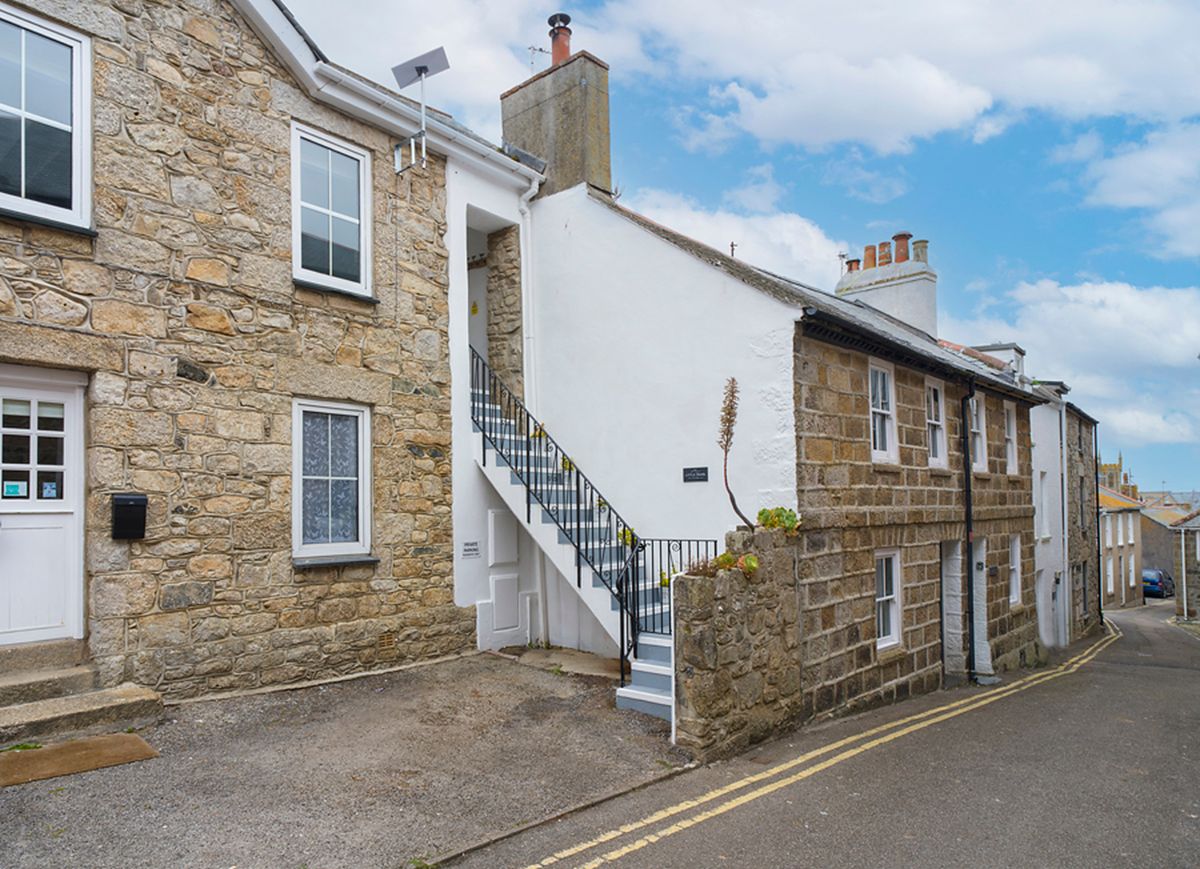
Ask anyone who has driven to St Ives in August and they will tell you the same thing: the town is wonderful, and the last twenty minutes of the journey are not. The streets in the old town are narrow, steep and largely resident-permit only. Satnavs cheerfully route visitors down lanes that end in a harbour wall.
None of this is a reason to stay away. It just means arriving with a plan. Here is ours.
The single most useful rule
Do not drive into the town centre hoping something will turn up. It very rarely does between May and September, and the streets are difficult to turn around in. Pick a car park on the way in, park once, and walk. St Ives is small — almost everything most visitors want is within fifteen minutes on foot of the harbour.
Trenwith: the big one
Trenwith (TR26 1DD) sits on the hill above town by the leisure centre and is the largest car park in St Ives, with roughly 300 spaces in winter and over 700 in summer once the overflow fields open. It takes cars, vans, motorhomes and coaches, and it is a long-stay car park, so it suits anyone staying for the day or longer.
The catch is the hill. The walk down into town takes about ten minutes and is pleasant; the walk back up is a genuine climb. A shuttle bus runs from Trenwith to Royal Square in the town centre, frequently through the day and into the evening in high season. If you have children, shopping or tired legs, use it.
This is the car park Cornwall Council actively directs visitors towards, and in peak season it is usually the right answer.
Barnoon: best for Tate St Ives and Porthmeor
Barnoon (TR26 1JF) is a smaller long-stay car park — around 124 spaces — perched above Tate St Ives and Porthmeor Beach. If your day is built around the Tate, the Barbara Hepworth Museum or a surf lesson at Porthmeor, this is the closest realistic option.
It fills early in summer, and no coaches, caravans or motorhomes are allowed. Access is either up Porthmeor Hill through town, or via Bullans Lane off The Stennack. Getting down to the beach and the galleries involves steps, which is worth knowing if anyone in your party finds those difficult.
The Station car park: best for Porthminster
The Station car park (TR26 2BH) sits above Porthminster Beach with around 100 spaces and one of the better views of any car park in Cornwall. It is a five to ten minute walk into town along the front, and it is level rather than steep — the easiest walk of any of the main car parks.
Short stay: Porthmeor and Sloop
If you only need an hour or two, Porthmeor (about 30 spaces) and Sloop (about 42) are short-stay car parks with a three-hour maximum and no return within three hours. They are small, central and turn over quickly, which makes them worth a hopeful look in the shoulder season — and almost pointless to try for in August.
The St Erth park and ride: the calm option
The option locals recommend to friends is not a car park in St Ives at all. Park at St Erth station (TR27 6JW), which has over 500 spaces, and take the branch line train in. It runs roughly twice an hour, seven days a week, all year, and the journey takes about ten minutes along one of the most scenic stretches of railway in Britain — the track hugs the cliff above Carbis Bay and Porthminster before dropping you at St Ives station, a two-minute walk from Porthminster Beach.
Parking at St Erth plus a family day return still tends to come in below a day's parking in town, and you skip the queues entirely. If you are visiting for the day in high season, this is the one to choose.
On prices: at the time of writing (August 2026) a 24-hour ticket at Trenwith is around £11.50 in summer and £7.00 in winter, with Barnoon slightly cheaper, and St Erth parking is £3.50–£4.50 a day plus about £4.20 for an adult day return. Tariffs are set by Cornwall Council and change, typically each April — please check the Cornwall Council parking pages before you travel rather than relying on these figures.
Six things worth knowing
- Arrive before 10am or after 4pm in summer. The middle of the day is when every car park in town is full and the approach roads back up.
- Download JustPark before you leave. It works at the council car parks and saves hunting for coins in the rain. Each car park has its own location code on the signage.
- Ask about a weekly Rover ticket if you are staying several days without your own space — one pass covers Trenwith, Station, Island and Park Avenue, and works out considerably cheaper than daily tickets.
- Check the height barriers if you drive anything tall. Several central car parks exclude motorhomes and high-top vans; Trenwith is the reliable choice for these.
- Beware the satnav. Set your destination to the car park postcode, not the address you are staying at, or you may find yourself reversing down a lane built for pilchard carts.
- Sunday is not quieter. In summer it is often busier than a weekday.
Or simply stay somewhere with its own space
All of the above becomes academic if your accommodation comes with parking, which in central St Ives is genuinely rare. It is the single thing guests thank us for most often — arriving, unloading at the door, and leaving the car untouched until the drive home.
If you are travelling with a dog, it is worth reading our guide to dog friendly beaches in St Ives before you come, since the seasonal restrictions catch a lot of visitors out. And if you are here for a couple of nights, our two-night weekend itinerary is built entirely around not moving the car.
Or skip the drive altogether. Our guide to getting to St Ives without a car covers the mainline to St Erth, the branch line into town and the last half mile with luggage and a dog.